

Fresh Breath Secrets: Bad Breath Causes and Remedies in Kenya
Someone sits next to you, and you instinctively cover your mouth. Or maybe you're leaning in to kiss your partner goodnight, and you catch yourself hesitating. Perhaps you're in a meeting, and you notice colleagues subtly leaning back when you speak.
Bad breath. It's uncomfortable to talk about, embarrassing to experience, and surprisingly common. In fact, studies such as NHS: Common "causes of bad breath and how to prevent it" show that nearly 1 in 4 people worldwide deal with chronic bad breath, also known as halitosis. But here's the good news: bad breath is almost always fixable.
In this guide, we'll walk you through the real reasons your breath might smell, simple fixes you can try today, and when it's time to see a dentist in Nairobi for professional help.
What Causes Bad Breath?
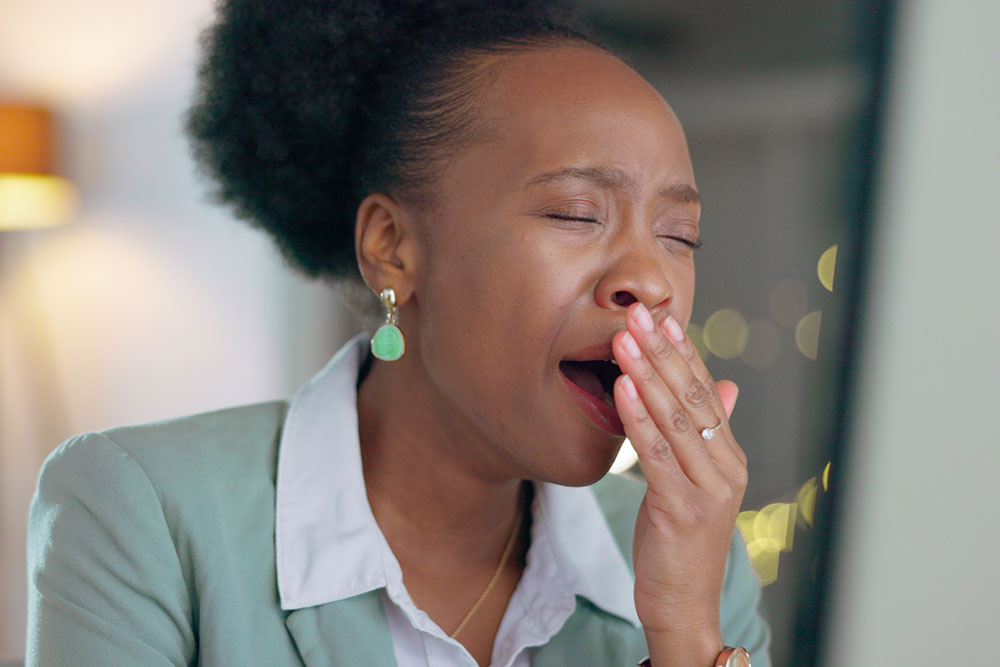
When you eat, tiny food particles get stuck between your teeth, along your gum line, and on your tongue. Bacteria feed on these particles and release gases that smell like rotten eggs or sulfur. The more bacteria you have, the stronger the odor.
The most common culprits include:
- Poor oral hygiene: Not brushing or flossing regularly allows bacteria to multiply
- Dry mouth: Saliva naturally cleanses your mouth. Without enough saliva, bacteria thrive
- Food choices: Garlic, onions, coffee, and alcohol leave lingering odors
- Gum disease: Infected gums produce a persistent foul smell
- Tongue coating: The back of your tongue can harbor bacteria if not cleaned
- Dental problems: Cavities, old fillings, and tooth decay trap bacteria
Important to know: Most bad breath (about 90%) originates in the mouth itself. Only a small percentage is caused by stomach problems, sinus infections, or other medical conditions.
The good news? Because most bad breath comes from your mouth, it's usually preventable and treatable with better oral hygiene and professional dental care.
Common Kenyan Foods and Drinks That Affect Breath
Kenyans love their chai, their coffee, and maybe a good plate of nyama choma on weekends. But these foods and drinks can significantly impact your breath throughout the day.
Tea and Coffee
That morning cup of chai or strong black coffee might wake you up, but it also dries out your mouth. Coffee is acidic and creates an ideal environment for bacteria to grow. Plus, milk in tea can leave a coating on your tongue that bacteria love.
Quick fix: Drink a glass of water after your tea or coffee to rinse away residue and rehydrate your mouth.
Garlic and Onions
Garlic and onions contain sulfur compounds that enter your bloodstream and are released through your lungs when you breathe. This means brushing alone won't eliminate the smell.
Quick fix: Chew fresh parsley, mint leaves, or drink green tea to help neutralize the odor.
Alcohol
A beer after work or a glass of wine with dinner dries out your mouth significantly. Alcohol reduces saliva production, allowing bacteria to multiply overnight. This is why many people wake up with particularly bad breath after drinking.
Quick fix: Alternate alcoholic drinks with water, and brush thoroughly before bed.
Spicy Foods and Meat
Spicy foods can cause acid reflux, which brings stomach acids into your mouth. Meat, especially red meat like nyama choma, takes longer to digest and can leave particles between teeth that bacteria feed on for hours.
Quick fix: Floss after meals and rinse with water to remove trapped food particles.
Sugar and Processed Foods
Bacteria in your mouth feed on sugar. The more sugar you consume, the more fuel you're giving bacteria to produce foul-smelling waste products.
Quick fix: Limit sugary snacks, and if you do indulge, rinse your mouth with water immediately after.
Daily Habits That Worsen or Improve Breath
Bad breath isn't just about what you eat. It's also about what you do (or don't do) every day.
Habits That Worsen Bad Breath:
- Skipping breakfast: Not eating stimulates your mouth to produce less saliva
- Mouth breathing: Breathing through your mouth dries it out, especially during sleep
- Smoking: Tobacco stains teeth, dries your mouth, and damages gums
- Not drinking enough water: Dehydration reduces saliva flow
- Inconsistent brushing: Skipping even one night allows bacteria to multiply rapidly
- Ignoring your tongue: Bacteria accumulate on the tongue's surface
Habits That Improve Bad Breath:
- Brushing twice daily: Morning and night, for at least two minutes
- Flossing daily: Removes food particles brushing misses
- Cleaning your tongue: Use a tongue scraper or brush your tongue gently
- Drinking plenty of water: Keeps your mouth hydrated and rinses away bacteria
- Chewing sugar-free gum: Stimulates saliva production
- Regular dental checkups: Professional cleaning removes tartar and detects problems early
Quick Fresh Breath Fixes That Actually Work
Sometimes you need instant relief. Maybe you have a job interview in 10 minutes or a date tonight. Here are quick, science-backed fixes you can use right now:
1. Drink a Glass of Water
The simplest fix. Water rinses away food particles and rehydrates your mouth, helping saliva do its natural cleansing work.
2. Chew Sugar-Free Gum
Chewing stimulates saliva production, which neutralizes acids and washes away bacteria. Choose gum with xylitol for extra bacteria-fighting power.
3. Eat an Apple or Carrot
Crunchy fruits and vegetables naturally scrub your teeth and tongue while increasing saliva flow. Think of them as nature's toothbrush.
4. Rinse with Salt Water
Mix half a teaspoon of salt in warm water and swish for 30 seconds. Salt kills bacteria and reduces inflammation.
5. Chew Fresh Herbs
Parsley, mint, or cilantro contain chlorophyll, which neutralizes odors naturally. Chew a small handful for instant freshness.
6. Use Mouthwash (The Right Way)
Choose an alcohol-free mouthwash and swish for 30 seconds. Alcohol-based mouthwashes dry your mouth and can make bad breath worse long-term.
7. Brush Your Tongue
Gently brush or scrape your tongue from back to front. This removes the white coating where bacteria hide.
These quick fixes work temporarily, but if bad breath persists despite good hygiene, it's time to investigate deeper causes.
When Bad Breath Is a Dental Problem
Sometimes bad breath isn't just about last night's dinner. It's a warning sign that something else is going on in your mouth.
Gum Disease (Periodontitis)
This is one of the most common causes of chronic bad breath. Gum disease occurs when bacteria infect the gums, causing inflammation, bleeding, and a persistent foul odor. If your gums bleed when you brush or if you notice a metallic taste in your mouth, gum disease could be the cause.
Warning signs:
- Red, swollen, or tender gums
- Bleeding when brushing or flossing
- Receding gums (teeth look longer)
- Persistent bad taste in your mouth
Tooth Decay and Cavities
Cavities trap food particles and bacteria in hard-to-reach places. As the decay progresses, it produces a strong, unpleasant smell. Old or damaged fillings can also harbor bacteria.
Dry Mouth (Xerostomia)
Saliva is your mouth's natural defense against bacteria. If you have chronic dry mouth caused by medications, medical conditions, or simply not drinking enough water, bacteria multiply unchecked. This is why "morning breath" is so common; saliva production decreases during sleep.
Oral Infections
Infections in the mouth, such as abscesses or infections following tooth extractions, can cause severe bad breath accompanied by pain, swelling, or pus.
See a dentist immediately if:
- Bad breath persists despite good oral hygiene
- You notice bleeding gums or loose teeth
- You have persistent mouth pain or swelling
- Your breath smells fruity or sweet (could indicate diabetes)
- You have white spots on your tonsils or tongue
Medical vs Dental Causes of Bad Breath
While most bad breath originates in the mouth, sometimes it can signal other health issues according to Mayo Clinic: Bad breath causes, diagnosis, and treatment . Here's how to tell the difference:
Dental Causes (Most Common)
- Poor oral hygiene
- Gum disease
- Tooth decay
- Dry mouth
- Tongue coating
- Old dental work
Medical Causes (Less Common)
- Sinus infections
- Tonsil stones
- Acid reflux (GERD)
- Diabetes
- Kidney or liver disease
- Respiratory infections
How to tell the difference:
If you maintain excellent oral hygiene, brush twice daily, floss, clean your tongue, and still have persistent bad breath, the cause might be medical rather than dental. In this case, start with a dental checkup to rule out oral causes first, then consult a general physician if needed.
Home Remedies vs Professional Dental Treatment
Let's be clear about what works and what doesn't.
Effective Home Remedies:
- Salt water rinses: Kills bacteria and reduces inflammation
- Baking soda paste: Neutralizes acids and freshens breath
- Oil pulling with coconut oil: May reduce bacteria (though evidence is limited)
- Green tea: Contains antioxidants that fight bacteria
- Staying hydrated: Keeps saliva flowing
When Home Remedies Aren't Enough:
Home remedies can help with temporary bad breath from food or mild hygiene issues. But if you have gum disease, cavities, or infections, you need professional treatment. No amount of salt water or mouthwash will cure an infected tooth.
Professional treatment addresses root causes:
- Deep cleaning to remove tartar and bacteria below the gum line
- Treatment for gum disease to eliminate infection
- Filling cavities to remove decayed tissue
- Removing or replacing old, damaged dental work
- Treating oral infections with proper medication
Think of it this way: home remedies are like pain relievers for a headache, but professional treatment is like curing the underlying cause of chronic headaches.
How Dentists Treat Bad Breath in Nairobi
At Karen Dental Clinic, we understand that talking about bad breath can feel embarrassing. That's why we approach every case with sensitivity, professionalism, and zero judgment.
Here's what happens during a bad breath consultation:
Step 1: Confidential Discussion
We start by listening. We'll ask about your oral hygiene routine, diet, medical history, and any symptoms you've noticed. This conversation is private, comfortable, and judgment-free.
Step 2: Comprehensive Oral Examination
Our dentist examines your teeth, gums, tongue, and throat. We're looking for signs of gum disease, cavities, infections, dry mouth, or other issues that could cause bad breath.
Step 3: Identify the Root Cause
Once we identify the cause, we explain it clearly in simple language. We'll show you exactly what's happening and why your breath smells.
Step 4: Personalized Treatment Plan
Treatment depends on the cause:
- Professional cleaning: Removes tartar, plaque, and bacteria
- Gum disease treatment: Deep cleaning (scaling and root planing) to eliminate infection
- Cavity fillings: Removes decay and seals teeth
- Tongue cleaning guidance: We teach you proper technique
- Saliva-boosting strategies: For dry mouth issues
- Referral to specialists: If a medical cause is suspected
Step 5: Prevention and Maintenance
We provide personalized advice on maintaining fresh breath long-term, including product recommendations, dietary tips, and hygiene techniques specific to your needs.
What makes Karen Dental different: We treat you with respect and discretion. We know this topic is sensitive, and we're here to help, not judge. Our goal is to restore your confidence and eliminate the problem at its source.
Cost of Bad Breath Treatment in Kenya
Treatment costs depend on the underlying cause and what's needed to fix it. Here's what you can expect in Nairobi:
- Initial consultation and examination: KES 2,000 to 4,000
- Professional teeth cleaning: KES 4,000 to 8,000
- Gum disease treatment (scaling and root planing): KES 8,000 to 15,000 per session
- Cavity fillings: KES 3,000 to 8,000 per tooth
- Tongue scraper and oral hygiene products: KES 500 to 2,000
At Karen Dental, we're transparent about costs upfront. We'll give you a clear estimate during your consultation with no hidden fees. We also offer flexible payment plans to make treatment accessible.
Remember: Treating bad breath early prevents more expensive problems down the road. Gum disease, if left untreated, can lead to tooth loss and costly restorative work.
How to Maintain Fresh Breath Long-Term
Once you've eliminated the cause of your bad breath, here's how to keep it fresh for good:
Daily Routine:
- Brush for 2 minutes, twice a day, using fluoride toothpaste
- Floss every night before bed
- Clean your tongue daily with a scraper or toothbrush
- Rinse with an alcohol-free mouthwash
- Drink at least 8 glasses of water daily
- Chew sugar-free gum after meals if you can't brush
Lifestyle Habits:
- Limit coffee, alcohol, and sugary foods
- Eat fresh fruits and vegetables daily
- Don't skip meals (this reduces saliva production)
- Quit smoking or tobacco use
- Manage stress (stress can cause dry mouth)
Professional Care:
- Visit Karen Dental every 6 months for checkups and cleaning
- Address dental problems early before they worsen
- Replace your toothbrush every 3 months
- Update your dentist on any medical changes or new medications
Fresh breath isn't about perfection. It's about consistency. Small daily habits compound into long-term results.
Frequently Asked Questions About Bad Breath
Can bad breath be a sign of something serious?
In rare cases, yes. Persistent bad breath despite good oral hygiene can indicate diabetes, kidney disease, liver problems, or respiratory infections. However, 90% of the time, it's a dental issue like gum disease or poor hygiene. Start with a dental checkup to rule out oral causes first.
Does mouthwash really help with bad breath?
It depends. Mouthwash provides temporary freshness but doesn't address the root cause. Alcohol-based mouthwashes can actually worsen bad breath by drying out your mouth. Use an antibacterial, alcohol-free mouthwash as part of a complete oral hygiene routine, not as a substitute for brushing and flossing.
How can I tell if I have bad breath?
It's hard to smell your own breath. Try licking your wrist, letting it dry for a few seconds, then smelling it. Or ask someone you trust. If you're worried, schedule a checkup. Dentists can identify bad breath and its cause during a routine examination.
Is bad breath normal in the morning?
Yes. Saliva production decreases during sleep, allowing bacteria to multiply. This is why everyone has some degree of morning breath. It should go away after brushing and drinking water. If it persists throughout the day, there's likely an underlying issue.
Can bad breath be cured permanently?
In most cases, yes. If the cause is dental (gum disease, cavities, poor hygiene), professional treatment combined with good daily care can eliminate bad breath permanently. If the cause is medical, treating the underlying condition usually resolves the problem.
How often should I see a dentist for bad breath?
If you have chronic bad breath, schedule a consultation as soon as possible. Once treated, maintain regular six-month checkups and cleanings to prevent it from returning.
Why Karen Dental Clinic Is the Best Choice in Nairobi
We understand how sensitive and personal bad breath concerns can be. At Karen Dental, we've built our practice around trust, discretion, and compassionate care.
What sets us apart:
Confidential and Judgment-Free Care
Your concerns are private. We treat every patient with respect and understanding. There's no embarrassment here, only solutions.
Experienced Team
Our dentists have years of experience diagnosing and treating bad breath. We understand the complexities of oral health and take time to find the root cause.
Modern Equipment and Techniques
We use the latest dental technology for accurate diagnosis and effective treatment. From digital imaging to advanced cleaning tools, you're in skilled hands.
Holistic Approach
We don't just mask symptoms. We identify and treat the underlying cause, then equip you with the knowledge and tools to maintain fresh breath for life.
Affordable and Transparent Pricing
No surprises. We discuss costs upfront and offer flexible payment options to make quality dental care accessible to everyone.
Convenient Location in Karen
Easily accessible from all parts of Nairobi with ample parking and flexible appointment times to fit your busy schedule.
Preventive-First Philosophy
We believe in catching problems early before they become expensive emergencies. Regular checkups save you time, money, and discomfort.
Take Control of Your Confidence Today
Bad breath doesn't have to control your life. You deserve to speak freely, laugh openly, and feel confident in every conversation. Whether it's a quick hygiene fix or professional treatment for an underlying issue, fresh breath is within reach.
At Karen Dental Clinic, we're here to help you every step of the way. From your first consultation to long-term maintenance, we provide the expertise, care, and support you need to eliminate bad breath for good.
Don't let embarrassment stop you from seeking help. We've seen it all, and we're here to fix it, not judge it. Your comfort and confidence matter to us.
Fresh breath starts with a single appointment. Let's make it happen.