

You’re enjoying some nyama choma with friends at your favorite restaurant when suddenly you feel something crack. Your tooth just broke on a piece of bone. Now you’re worried about the pain, the cost, and whether you’ll need a dental crown. Most importantly, if you get one, how long will it actually last?
If you’re researching dental crowns in Nairobi, you probably have similar concerns. Maybe your dentist mentioned you need a crown after a root canal, or perhaps you have an old filling that’s failing. Whatever brought you here, we’ll explain everything clearly, honestly, and without any confusing dental terminology.
Let’s walk through everything you need to know about dental crowns, how long they last, and what makes them a smart choice for protecting your teeth.
What Is a Dental Crown?
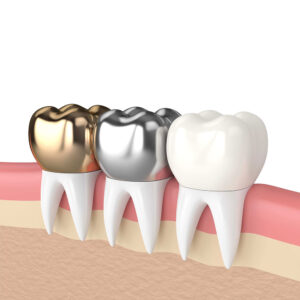
Think of a dental crown as a strong, protective cap that covers your entire tooth. Just like a helmet protects your head, a crown protects a damaged or weak tooth from breaking further.
Your natural tooth is shaped down slightly, and the crown fits perfectly over it, looking and functioning just like your original tooth. Modern crowns are so well-made that most people can’t tell the difference between a crowned tooth and a natural one.
Crowns restore your tooth’s shape, size, strength, and appearance. They’re custom-made in a laboratory to match your other teeth perfectly, ensuring your smile looks natural and feels comfortable.
Why People in Nairobi Need Dental Crowns
Living in Nairobi comes with unique dental challenges. Our busy lifestyles, local foods, and sometimes delayed dental visits can lead to situations requiring crowns.
Common reasons Nairobi residents need crowns:
- Cracked or broken teeth from biting hard foods like sugar cane, bones in meat etc.
- Large cavities that can’t be fixed with regular fillings
- After root canal treatment to protect the treated tooth
- Worn-down teeth from grinding
- Cosmetic improvements for discolored or misshapen front teeth
- Old, failing fillings that need stronger restoration
Many professionals often delay dental visits due to busy schedules. By the time they visit Karen Dental, a simple filling won’t be enough. A crown becomes the best solution to save the tooth and avoid extraction.
Different Types of Dental Crowns Available in Kenya
Not all dental crowns are the same. we offer various types to suit different needs and budgets. Each type has unique benefits regarding durability, appearance, and cost.
Ceramic Crowns
These all-ceramic crowns look incredibly natural. They’re perfect for front teeth because they match your natural tooth color beautifully. Many of our patients choose these for their excellent aesthetics.
Zirconia Crowns
Zirconia is incredibly strong and tooth-colored. These crowns are ideal for back teeth that endure heavy chewing forces. They’re becoming increasingly popular in Nairobi because they combine strength with good looks.
Porcelain-Fused-to-Metal (PFM) Crowns
These have a metal base covered with porcelain. They’re strong and reasonably aesthetic, making them a good middle-ground option. Many insurance plans in Kenya cover PFM crowns.
Gold Crowns
Though less common now, gold crowns are still the longest-lasting option. Some older patients in Nairobi specifically request them for back teeth because of their incredible durability.
How Long Each Type Lasts
Understanding crown lifespan helps you make an informed investment in your dental health. Here’s what you can realistically expect:
Zirconia Crowns: 15-20+ years These are the workhorses of dental crowns. With proper care, many last well beyond 20 years.
Ceramic Crowns: 10-15 years Beautiful and natural-looking, they’re slightly less durable than zirconia but perfect for visible teeth.
Porcelain-Fused-to-Metal: 10-15 years A reliable option that balances durability with aesthetics. The porcelain might chip after many years, but the crown remains functional.
Gold Crowns: 20-30+ years The champion of longevity. We’ve seen gold crowns placed in the 1990s still going strong today.
Remember, these are averages. Some patients have crowns lasting 30 years, while others might need replacement sooner due to various factors.
Factors That Affect Crown Longevity
Your crown’s lifespan depends on several factors, many within your control. Understanding these helps you protect your investment.
Oral Hygiene Habits
Daily brushing and flossing According to Colgate prevent decay at the crown’s edge. Poor hygiene is the number one reason crowns fail prematurely. Just because the crown can’t decay doesn’t mean the tooth underneath can’t.
Your Diet and Lifestyle
Frequently eating hard foods like bones or chewing miraa can stress crowns. Similarly, using teeth to open soda bottles (surprisingly common in Nairobi) can damage even the strongest crown.
Teeth Grinding (Bruxism)
Nairobi’s stressful lifestyle, from traffic jams to work pressure, causes many people to grind their teeth at night. This can significantly shorten crown lifespan. A nightguard protects your investment.
Regular Dental Checkups
Visiting Karen Dental every six months allows us to spot and fix small issues before they become crown-threatening problems. Prevention truly is better than replacement.
The Quality of Initial Placement
Choosing an experienced dentist matters. Properly fitted crowns last significantly longer than rushed or poorly made ones.
The Dental Crown Procedure
Getting a crown at Karen Dental is straightforward and comfortable. Here’s exactly what happens:
First Visit (60-90 minutes):
- We numb the tooth completely (you won’t feel pain)
- Remove decay and shape the tooth
- Take precise impressions or digital scans
- Place a temporary crown
- Choose your crown shade to match surrounding teeth
Between Visits: Your custom crown is crafted in our partner laboratory. This takes about 7-10 days. The temporary crown protects your tooth and looks presentable.
Second Visit (30-45 minutes):
- Remove the temporary crown
- Try the new crown for fit and color
- Make any minor adjustments
- Permanently cement the crown
- Check your bite for comfort
Most patients are surprised how simple and painless the process is. We use modern techniques that minimize discomfort and maximize results.
Honest Pros and Cons of Dental Crowns
Let’s be completely transparent about what dental crowns offer and their limitations.
Advantages:
- Saves teeth that would otherwise need extraction
- Restores full chewing function
- Looks completely natural
- Protects weak teeth from breaking
- Can last decades with proper care
- Often covered by dental insurance
Considerations:
- Higher upfront cost than fillings
- Requires two visits
- Small amount of natural tooth structure removed
- May need replacement eventually
- Temporary sensitivity possible initially
For most patients, the benefits far outweigh the considerations. Saving your natural tooth is almost always better than extraction and replacement options.
Are Dental Crowns Worth It?
When patients ask about value, we consider long-term benefits versus costs. A crown costing 30,000-50,000 KSh might seem expensive initially. However, consider the alternatives:
Tooth extraction leads to bone loss and shifting teeth. Replacing an extracted tooth with an implant costs 150,000-200,000 KSh. A bridge affects neighboring healthy teeth. Leaving the gap causes chewing problems and confidence issues.
When a crown lasts 15-20 years, the daily cost is minimal. It’s like investing in quality shoes that last years versus cheap ones needing constant replacement. Your dental health deserves the same long-term thinking.
Cost of Dental Crowns in Nairobi
Dental crown prices in Nairobi vary based on material and clinic location. We believe in transparent pricing:
- Ceramic crowns: 35,000-45,000 KSh
- Zirconia crowns: 40,000-50,000 KSh
- PFM crowns: 25,000-35,000 KSh
- Gold crowns: Price varies with gold market rates
Many insurance plans, including Jubilee, SHA comprehensive cover, AAR, and Britam, partially cover crown costs. We help you maximize your insurance benefits and offer payment plans for balance amounts.
How to Make Dental Crowns Last Longer
Protecting your crown investment requires simple daily habits:
Daily Care:
- Brush twice daily with fluoride toothpaste
- Floss around the crown daily
- Use an antibacterial mouthwash
Dietary Wisdom:
- Avoid chewing ice or hard candy
- Cut hard foods into smaller pieces
- Don’t use teeth as tools
Professional Care:
- Visit Karen Dental every six months
- Get professional cleanings regularly
- Address grinding with a custom nightguard
Smart Habits:
- Wear a mouthguard during sports
- Manage stress to reduce grinding
- Address any discomfort immediately
These simple steps can add years to your crown’s life, maximizing your investment.
Common Concerns People Have About Dental Crowns
We understand getting a crown can feel overwhelming. Let’s address the concerns we hear most often:
“Will it hurt?” Modern anesthetics make the procedure painless. Most patients report less discomfort than expected. Any post-procedure sensitivity typically resolves within days.
“Will it look fake?” Today’s crowns are incredibly natural-looking. We match the color, shape, and translucency to your natural teeth. Even dentists struggle to identify well-made crowns.
“What if it breaks?” Crown fractures are rare with modern materials. If damage occurs, we can often repair minor chips. Complete fractures (very uncommon) require replacement, but your natural tooth remains protected.
“Can I eat normally?” After a brief adjustment period, yes! Crowns restore full chewing function. You can enjoy your favorite foods, including nyama choma and ugali, without worry.
Why Karen Dental your Best Choice for Dental Crowns in Nairobi
Choosing where to get your crown matters as much as deciding to get one. Karen Dental offers unique advantages for crown placement:
Expert Restorative Specialists Our dentists have advanced training in crown placement and years of experience with Nairobi patients. We understand local needs and preferences.
Modern Technology Digital impressions mean no messy molds. Computer-aided design ensures perfect fit. Our partner labs use the latest materials for maximum durability.
Quality Materials Only We never compromise on crown quality. Every crown we place meets international standards for strength and biocompatibility.
Gentle, Patient-Centered Care We understand dental anxiety. Our calm environment, clear communication, and gentle techniques make crown placement comfortable.
Long-Term Focus We’re not just placing a crown; we’re investing in your long-term oral health. Our comprehensive approach ensures your crown serves you well for years.
Convenient Karen Location Easy access from Langata, Lavington, Westlands, and other surrounding areas. Ample parking and a serene environment make visits stress-free.
Frequently Asked Questions
How do I know if I need a dental crown? If you have a cracked tooth, large cavity, or completed root canal, you likely need a crown. Pain when chewing, sensitivity, or visible tooth damage are common signs. Visit us for a professional evaluation to determine the best treatment.
Can a crowned tooth still get cavities? The crown itself cannot decay, but the tooth underneath can develop cavities at the gum line where the crown meets the natural tooth. This is why good oral hygiene and regular checkups remain essential even after getting a crown.
Is it better to get a crown or pull the tooth? Saving your natural tooth with a crown is almost always preferable to extraction. Your natural tooth root maintains jaw bone, prevents teeth shifting, and provides better chewing function than any replacement option. Crowns preserve what nature gave you.
How soon after a root canal should I get a crown? Ideally, within two to four weeks. Root canal-treated teeth become brittle and can fracture without crown protection. Delaying increases fracture risk, potentially losing the tooth you just saved. We often schedule crown preparation immediately after root canal completion.
What happens if I don’t replace an old crown? Old crowns can develop leaks, allowing bacteria underneath. This causes decay, infection, or tooth fracture. Regular checkups help us identify aging crowns before problems develop, protecting your underlying tooth and preventing emergency situations.
Can I get a crown if I have gum disease? We treat gum disease first to ensure a healthy foundation for your crown. Placing a crown on inflamed gums leads to poor fit and premature failure. Our comprehensive approach addresses all oral health issues for optimal crown success.
Do dental crowns feel different from natural teeth? Initially, you’ll notice the crown feels slightly different. Within days to weeks, your mouth adapts completely. Most patients forget which tooth has the crown. Modern crowns match natural tooth texture and bite feel remarkably well.
Next Step Toward a Stronger Smile
Dental crowns offer a proven, long-lasting solution for damaged teeth. With proper material selection and expert placement, your crown can serve you well for decades. The investment protects your teeth as well as your overall oral health, confidence, and quality of life.