

What Is Biomimetic Dentistry? 6 Reasons It Beats Traditional Fillings
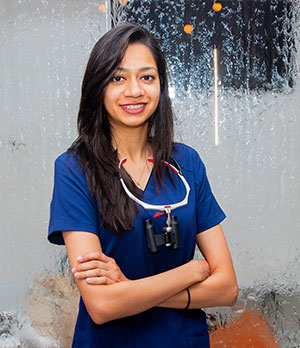
Quick answer: Biomimetic dentistry is a tooth-preserving approach that restores damaged teeth by mimicking their natural structure. Instead of drilling away healthy tooth material and capping with a crown, biomimetic techniques bond advanced materials layer by layer to rebuild the tooth from the inside out. The result is a stronger, more natural restoration that keeps more of your real tooth intact. Dr. Arisa Dar at Karen Dental Clinic is the only trained biomimetic restorative dentist in East and Central Africa, having completed her training at the Alleman Institute of Biomimetic Dentistry in the USA.
You go to the dentist with a cracked tooth or a deep cavity. The traditional approach? Drill out the damage, remove a significant amount of healthy tooth structure to create space, and place a crown over what remains. It works. But it costs you a large portion of your natural tooth in the process.
Biomimetic dentistry asks a different question: what if we could restore the tooth in a way that mimics how it was originally built by nature? What if we could preserve the healthy parts, rebuild only what was lost, and create a restoration that flexes and absorbs force the same way a real tooth does?
That is exactly what biomimetic dentistry does. And in East and Central Africa, only one dentist has completed the advanced training to offer it.
Karen Dental Clinic is the only practice in East and Central Africa offering biomimetic dentistry. Preserve more of your natural tooth.
Book an Appointment Learn About Our FillingsThis guide explains what biomimetic dentistry is, how it works, and the six specific reasons it produces better outcomes than traditional fillings and crowns. If you are looking for a broader overview of dental care in Nairobi, start with our 7 Best Dental Clinics in Nairobi guide.
What Is Biomimetic Dentistry?
The word "biomimetic" comes from the Greek words bios (life) and mimesis (to imitate). Biomimetic dentistry is the practice of restoring damaged teeth by imitating the natural structure, function, and biomechanics of the original tooth.
A natural tooth is not a single solid block. It is a layered system. The outer enamel is hard and brittle, designed to resist wear. The inner dentine is softer and more flexible, designed to absorb the forces of chewing and biting without cracking. Between them is the dentinoenamel junction (DEJ), a remarkable boundary layer that distributes stress and prevents cracks in the enamel from travelling into the dentine.
Traditional restorations ignore this layered architecture. A standard filling or crown replaces the damaged area with a single material that does not flex or absorb force the way the original tooth did. Over time, this mismatch creates stress concentrations that can lead to cracks, fractures, and eventually the need for more invasive treatment.
Biomimetic dentistry rebuilds the tooth layer by layer, matching each layer's properties to the natural tooth. Advanced bonding techniques and materials recreate the stress-absorbing function of the DEJ. The result is a restoration that behaves more like a real tooth and lasts longer because of it.
How Biomimetic Dentistry Works: The Process
Step 1: Minimal Removal of Damaged Tissue
Instead of cutting away large sections of the tooth to make room for a crown, the biomimetic approach removes only what is truly damaged. Healthy enamel and dentine are preserved wherever possible. This is fundamentally different from traditional crown preparation, which requires removing up to 70% of the visible tooth structure to create a shape the crown can fit over.
Step 2: Sealing the Dentine
The exposed dentine layer is immediately sealed using a technique called immediate dentin sealing (IDS). This protects the tooth's nerve from sensitivity, creates a stronger bond surface for the restoration, and mirrors the natural seal that healthy enamel provides over dentine. Research published in dental journals has shown that IDS significantly improves the long-term bond strength of restorations.
Step 3: Layered Bonding
The restoration is built up in layers, each one matching the properties of the natural tooth layer it replaces. Flexible composite materials replicate the dentine layer. Harder materials replicate the enamel layer. The bonding between layers is designed to mimic the stress-distributing function of the natural dentinoenamel junction. This is the core innovation of biomimetic dentistry.
Step 4: Stress-Absorbing Restoration
The completed biomimetic restoration absorbs and distributes biting forces across the tooth the same way the original natural tooth did. This reduces the risk of cracks and fractures that commonly occur with traditional fillings and crowns over time. The Mayo Clinic notes that traditional crowns, while effective, do not replicate the biomechanics of a natural tooth, which is the gap biomimetic techniques address.
6 Reasons Biomimetic Dentistry Beats Traditional Fillings and Crowns
You Keep More of Your Natural Tooth
Traditional crown preparation removes up to 70% of the visible tooth structure. That is healthy enamel and dentine ground away to create room for the crown. Biomimetic dentistry removes only the damaged tissue, preserving the healthy structure around it. A study in the Journal of Esthetic and Restorative Dentistry found that biomimetic techniques can preserve 50% to 80% more tooth structure compared to conventional crown preparations.
Why does this matter? Because your natural tooth is irreplaceable. Every millimetre of healthy tooth you keep today is a millimetre you will not need to replace with increasingly invasive treatments in the future. The NHS advises patients that preserving natural tooth structure should always be the priority when treatment options are available.
Dramatically Lower Risk of Root Canals
One of the most significant advantages of biomimetic dentistry is the reduction in root canal treatments. Traditional crown preparation often brings the drill dangerously close to the tooth's nerve (pulp). Biomimetic research shows that the pulp death rate after biomimetic restorations is close to 0%, compared to rates of up to 20% after traditional full-coverage crowns. This means fewer root canals, less pain, and lower long-term costs.
If you have been told you need a root canal, it is worth asking whether a biomimetic approach could save the nerve and avoid the procedure entirely. For context on root canal treatment, read Root Canal Treatment in Nairobi: 8 Myths vs Facts.
Restorations That Flex Like Real Teeth
A natural tooth is not rigid. It flexes slightly under biting pressure because the enamel, dentine, and dentinoenamel junction work together as a layered stress-management system. Traditional fillings and crowns are essentially rigid caps that do not flex in the same way. This rigidity creates stress concentrations at the junction between the restoration and the tooth, which is why traditional fillings crack and crowns fail over time.
Biomimetic restorations are designed to flex and absorb force the way a natural tooth does. By matching the elastic modulus (stiffness) of each layer to the natural tissue it replaces, the restoration distributes stress evenly. The tooth is stronger after restoration, not weaker.
Better Seal Against Bacteria
The number one reason dental restorations fail is microleakage. Bacteria seep through tiny gaps between the filling or crown and the tooth surface, causing decay underneath the restoration. This is the hidden cavity you cannot see or feel until it is too late. Biomimetic bonding techniques create a significantly tighter seal than traditional cementation. The immediate dentin sealing (IDS) step and the layered bonding protocol address the two main pathways bacteria use to infiltrate restorations.
A better seal means your restoration lasts longer and you are less likely to need replacement work. Prevention starts with good hygiene, so read 6 Simple Ways to Prevent Cavities and book regular professional cleaning to keep your restorations healthy long-term.
Fewer Appointments, Less Drilling Over Your Lifetime
Traditional dentistry often follows a predictable cycle. A small cavity gets a filling. The filling fails after several years. The replacement filling is bigger. Eventually the tooth needs a crown. The crown preparation kills the nerve. Then you need a root canal. Then the tooth cracks and needs extraction. Then you need a dental implant or bridge.
Biomimetic dentistry interrupts this cycle early. By preserving more tooth, creating better seals, and reducing the need for root canals, the approach delays or prevents the cascade of increasingly invasive treatments. That means fewer appointments, less time in the dental chair, and significantly lower lifetime dental costs. This is one of the biggest dental mistakes patients make: accepting aggressive treatment early when a conservative option exists.
Natural-Looking Results
Because biomimetic restorations are built layer by layer using materials that mimic natural enamel and dentine, the finished result looks remarkably natural. The colour, translucency, and surface texture of a biomimetic restoration blend seamlessly with the surrounding tooth. For patients who care about aesthetics (and most people do), this is a significant advantage over traditional amalgam (silver) fillings and even standard composite fillings that can look flat or opaque.
If you are exploring cosmetic improvements to your smile, biomimetic dentistry pairs well with teeth whitening, veneers, and Invisalign. See our broader guide: 6 Best Cosmetic Dentists in Nairobi.
Biomimetic Dentistry vs Traditional Dentistry: A Side-by-Side Comparison
| Factor | Biomimetic Dentistry | Traditional Fillings/Crowns |
|---|---|---|
| Tooth structure preserved | Maximum (only damaged tissue removed) | Significant removal (up to 70% for crowns) |
| Risk of root canal | Near 0% (pulp protected by IDS) | Up to 20% after full-coverage crowns |
| Stress distribution | Mimics natural tooth flexion | Rigid; creates stress concentrations |
| Bacterial seal | Superior (layered bonding + IDS) | Adequate (cemented margins prone to microleakage) |
| Aesthetics | Natural colour, translucency, and texture | Varies; amalgam is silver; standard composites may appear flat |
| Lifetime retreatment cycle | Interrupted early; fewer future interventions | Progressive: filling → crown → root canal → extraction → implant |
| Availability in East Africa | Karen Dental Clinic only (Dr. Arisa Dar) | All dental clinics |
Dr. Arisa Dar: The Only Biomimetic Dentist in East and Central Africa
Dr. Arisa Dar is a BDS graduate from the University of Nairobi (2018) who completed her biomimetic restorative dentistry training at the Alleman Institute of Biomimetic Dentistry in the United States in 2021. The Alleman Institute, founded by Dr. David Alleman, is one of the world's foremost centres for biomimetic dental education and the birthplace of many of the techniques that define the field today.
Dr. Dar is currently the only dentist in East and Central Africa with this specific training. That makes Karen Dental Clinic the only practice in the region where patients can access genuine biomimetic restorative care. For patients who would otherwise travel abroad for this level of conservative treatment, having Dr. Dar available in Nairobi is a significant advantage.
Beyond biomimetic dentistry, Dr. Dar is also a certified Invisalign provider with special interests in aesthetic and cosmetic dentistry and endodontics (root canal treatment). This combination of skills means she can manage complex cases that involve alignment, restoration, and aesthetic improvement as a single coordinated treatment plan. She practises at Karen Dental Clinic alongside a team of nine other specialist dentists, including three consultant periodontists, an oral and maxillofacial surgeon, and specialist orthodontist Dr. Komal Mandavia.
Karen Dental Clinic is the only practice in East and Central Africa offering biomimetic dentistry. This is not a marketing claim. It is a verifiable fact based on the Alleman Institute's training records. If another clinic in the region claims to offer biomimetic dentistry, ask for the specific training credentials of the provider performing the work.
Who Benefits Most from Biomimetic Dentistry?
Biomimetic dentistry is particularly valuable for the following patients.
Patients Told They Need a Crown
If you have been told a tooth needs a crown, ask whether a biomimetic restoration could preserve more tooth structure and achieve the same functional result. Not every case qualifies, but many teeth that traditionally receive crowns can be successfully treated with biomimetic approaches instead. Read more: Dental Crowns in Kenya: 5 Types Compared.
Patients Who Want to Avoid Root Canals
Biomimetic dentistry's near-zero pulp death rate means that teeth restored with this approach almost never need subsequent root canals. For patients who feel anxious about root canal treatment or who want to preserve the vitality of their teeth, biomimetic care is the most conservative path available. See also: Root Canal Treatment in Nairobi: 8 Myths vs Facts.
Young Adults with Early Dental Damage
The younger you are when a tooth is first restored, the more cycles of retreatment that tooth will go through over your lifetime. A 25-year-old who gets a traditional crown may face the filling-crown-root canal-extraction cycle described above over the next 40 years. Biomimetic dentistry delays or prevents that cascade, giving young patients decades of additional tooth life. For prevention tips to keep young teeth healthy, see 6 Simple Ways to Prevent Cavities and Children's Dentistry in Nairobi.
Patients with Cracked or Fractured Teeth
Cracked teeth are a common problem that traditional dentistry often treats aggressively with crowns or extraction. Biomimetic bonding can stabilise cracks while preserving the healthy tooth structure around them. If the crack has not yet reached the nerve, a biomimetic approach may save the tooth entirely. For cases where extraction is unavoidable, Karen Dental has Dr. Andrew Okiriamu, a qualified oral and maxillofacial surgeon, and replacement options including dental implants.
Patients Who Value Conservative, Prevention-Focused Care
Biomimetic dentistry aligns perfectly with a prevention-first philosophy. Preserve what is healthy. Repair only what is damaged. Avoid aggressive interventions unless absolutely necessary. According to the World Health Organization, oral diseases affect nearly 3.5 billion people globally and are closely linked to broader systemic health. Conservative approaches that preserve natural tooth structure support better long-term oral and overall health.
Interested in Biomimetic Dentistry?
Karen Dental Clinic is the only practice in East and Central Africa offering biomimetic restorative dentistry. Dr. Arisa Dar brings Alleman Institute training and a commitment to preserving your natural teeth. Book a consultation to find out if biomimetic treatment is right for your case.
Book Your ConsultationFrequently Asked Questions About Biomimetic Dentistry
What is biomimetic dentistry?
Biomimetic dentistry is a restorative approach that repairs damaged teeth by imitating the natural layered structure of enamel, dentine, and the dentinoenamel junction. Instead of drilling away healthy tooth material for a crown, biomimetic techniques preserve maximum natural tooth structure and use advanced bonding to rebuild only the damaged portion. The result is a restoration that flexes and absorbs force like a real tooth, reducing the risk of future cracks and root canals.
Where can I get biomimetic dentistry in Kenya?
Karen Dental Clinic in Nairobi is currently the only practice in East and Central Africa offering biomimetic dentistry. Dr. Arisa Dar completed her biomimetic training at the Alleman Institute of Biomimetic Dentistry in the USA in 2021. The clinic has two branches in Karen (Zamani Business Park, Off Ngong Rd) and Parklands (Doctors Park, 3rd Parklands Avenue).
Is biomimetic dentistry more expensive than traditional fillings?
A single biomimetic restoration may cost more than a standard composite filling because it requires advanced materials, specialised bonding techniques, and more clinical time. However, the lifetime cost is often lower because biomimetic restorations last longer and dramatically reduce the need for crowns, root canals, and retreatment. When you factor in the cost of the traditional cycle (filling, then crown, then root canal, then extraction, then implant), biomimetic dentistry is frequently the more economical choice over time.
Does biomimetic dentistry hurt?
No. Biomimetic procedures are performed under local anaesthesia, just like traditional fillings. Because less drilling is involved and less tooth structure is removed, many patients report that biomimetic procedures are actually more comfortable than traditional restorative work. The immediate dentin sealing step also reduces post-operative sensitivity.
Can biomimetic dentistry replace a crown?
In many cases, yes. Teeth that would traditionally receive crowns can often be treated with biomimetic onlays or overlays that preserve significantly more natural tooth structure. However, not every case qualifies. Teeth with severe structural damage or those that have already had root canals may still require a crown. Dr. Arisa Dar will assess your specific situation and recommend the most conservative effective treatment. For more on crowns, read Dental Crowns in Kenya: 5 Types Compared.
How long do biomimetic restorations last?
Clinical research shows that well-executed biomimetic restorations can last 15 to 25 years or longer, which is comparable to or better than traditional crowns. Longevity depends on the location and size of the restoration, the patient's bite forces, and oral hygiene habits. Regular professional cleaning and check-ups are essential for maintaining any dental restoration.
Related Guides
Continue exploring our dental guides for patients in Nairobi:
- 7 Best Dental Clinics in Nairobi (2026 Honest Guide)
- Dental Crowns in Kenya: 5 Types Compared
- Root Canal Treatment in Nairobi: 8 Myths vs Facts
- 6 Best Cosmetic Dentists in Nairobi
- 5 Best Dental Implant Clinics in Nairobi
- Dental Implants vs Bridges vs Dentures in Kenya
- Dental Veneers in Nairobi: 7 Questions to Ask
- 5 Best Invisalign Providers in Nairobi
- 10 Dental Mistakes Kenyans Make (And How to Fix Them)
- 5 Best Family Dentists in Nairobi