

You catch a glimpse of yourself in the mirror before that important work presentation. Your outfit is perfect, your confidence is building, but then you notice your teeth aren’t as bright as you’d like them to be. Maybe it’s from years of enjoying your morning chai, or perhaps those evening coffee dates have taken their toll. Whatever the reason, you’re considering teeth whitening, but one question keeps nagging at you: is it actually safe?
You’re not alone in wondering. Thousands of Nairobi residents face this same dilemma every day. The good news is that when done correctly, teeth whitening can be both safe and incredibly effective. The key word here is “correctly.” Let’s explore what that really means and help you make an informed decision about brightening your smile.
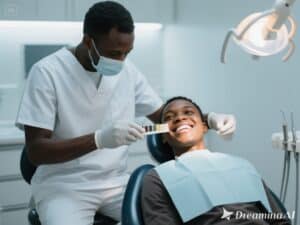
Why Teeth Whitening Has Become Popular in Nairobi
Walk through any place and you’ll notice something interesting. People are smiling more in photos, taking selfies without hesitation, and showing their teeth with confidence. Social media has definitely played a role, but there’s more to the story.
Professional life in Nairobi increasingly demands a polished appearance and your smile makes an impression. A bright, healthy smile suggests good hygiene, attention to detail, and self-care. It’s become part of professional grooming, just like a well-fitted suit or a neat haircut.
Beyond career considerations, many Kenyans are investing in teeth whitening for special occasions. Wedding photographers will tell you that couples now specifically request close-up smile shots. Graduate students want confident smiles for their graduation photos.
What Professional Teeth Whitening Is
Professional teeth whitening isn’t as complicated as it might sound. Think of your teeth like a white shirt that’s been worn many times. Over the years, it picks up stains from various sources. Professional whitening is like taking that shirt to a specialist who knows exactly how to restore its original brightness without damaging the fabric.
During professional whitening, your dentist uses carefully controlled whitening agents, typically containing hydrogen peroxide or carbamide peroxide. These agents break down stain molecules on your teeth, making them appear lighter. The concentration is precisely measured, and the application is monitored throughout the process.
The entire procedure usually takes about an hour in the dental chair. Some clinics use special lights to activate the whitening gel, though the gel itself does most of the work. Your gums are protected with a special barrier, ensuring the whitening agent only touches your teeth. It’s methodical, controlled, and customized to your specific needs.
How Over-the-Counter Whitening Works (and Its Limits)
Those whitening strips you see at the pharmacy on Ngong Road work on a similar principle but with crucial differences. They contain lower concentrations of whitening agents, which means they’re safer for unsupervised use but also less effective.
Whitening toothpastes, the most common option, work differently. They contain mild abrasives that polish away surface stains. Think of them as gentle scrubbing agents. They can help maintain brightness after professional whitening or remove very light staining from your morning tea, but they won’t dramatically change your tooth color.
The main limitation of over-the-counter products is their one-size-fits-all approach. Your teeth are unique, with specific staining patterns and sensitivity levels. Store-bought products can’t account for these individual differences, which is why results often disappoint or, worse, cause unnecessary discomfort.
Is Teeth Whitening Safe?

According to the American Dental Association, professional teeth whitening is safe when performed under dental supervision. Studies spanning decades have shown that the whitening agents used by dentists don’t damage tooth enamel when used correctly. This is reassuring news for anyone worried about long-term effects.
The key factor in safety is proper application and concentration. Professional-grade whitening gels are stronger than what you’ll find in stores, but they’re applied with precision and expertise. Your dentist knows exactly how long to leave the gel on your teeth and can adjust the treatment based on your response.
Temporary sensitivity is the most common side effect, affecting about 60% of people who whiten their teeth. This sensitivity typically disappears within 48 hours. Your teeth might feel a bit tender when drinking cold water or breathing in cool air, but this is your teeth’s natural response to the whitening process, not a sign of damage.
Some people worry about weakening their teeth, but research shows that professional whitening doesn’t affect tooth structure. The process only affects the color, not the strength or integrity of your teeth. However, this assumes you’re starting with healthy teeth, which is why a dental examination before whitening is crucial.
Risks of DIY Whitening Kits and Online Products in Kenya
Shopping online has made many things convenient, but teeth whitening products bought from unverified sources pose real risks. Those incredibly cheap whitening kits advertised on Instagram might seem tempting, especially when they promise “instant Hollywood smiles,” but they often come with hidden dangers.
Many online products contain unpredictable concentrations of whitening agents. Some are too weak to work effectively, wasting your money. Others are dangerously strong, potentially causing chemical burns to your gums or severe tooth sensitivity that lasts weeks instead of hours.
The bigger concern is counterfeit products flooding the Kenyan market. Without proper regulation, these products might contain harmful chemicals not approved for oral use. We’ve seen patients come in with burned gums, patchy whitening results, and even allergic reactions from products bought online.
Using whitening trays that aren’t custom-fitted is another common problem. Ill-fitting trays allow whitening gel to leak onto your gums, causing irritation and uneven results. You might end up with some teeth whiter than others, creating an unnatural, spotted appearance that’s harder to fix than the original staining.
When Teeth Whitening Becomes Unsafe
There are clear warning signs that teeth whitening is being done incorrectly or excessively. If you experience any of these, it’s time to stop and consult a professional immediately.
Severe, lasting pain is never normal. While mild sensitivity is expected, sharp pain that doesn’t improve after a day or two suggests something’s wrong. Similarly, if your gums turn white or develop sores, the whitening agent is touching soft tissue where it shouldn’t.
Over-whitening is a real phenomenon. Some people become obsessed with achieving an unnaturally white shade, repeatedly whitening their teeth. This can lead to translucent-looking teeth, permanent sensitivity, and an artificial appearance that actually detracts from your smile’s beauty.
If you notice your teeth looking blue or gray at the edges, you’ve gone too far. Natural teeth have subtle color variations and a slight ivory tone. Pushing past this natural limit doesn’t create a better smile; it creates an artificial one that most people find unsettling.
Professional vs. DIY Whitening
Let’s be completely honest about both options so you can make an informed choice.
Professional whitening offers predictable, even results with minimal risk. Your dentist can achieve several shades of improvement in a single session. The treatment is customized to your needs, and any sensitivity is managed immediately. The downside? It costs more upfront, typically ranging from 15,000 to 40,000 Kenyan shillings depending on the clinic and method used.
DIY whitening is certainly more budget-friendly initially, with strips costing around 2,000 to 5,000 shillings. You can do it at home on your schedule. However, results are unpredictable and take much longer to appear. You might spend months using strips daily to achieve what professional whitening accomplishes in an hour. There’s also no professional monitoring if something goes wrong.
Consider the hidden costs of DIY whitening too. If you damage your gums or teeth, treating those problems will cost far more than professional whitening would have. If results are uneven, fixing them professionally becomes more complex and expensive.
How Dentists Keep Teeth Whitening Safe and Effective
Professional dentists follow strict protocols to ensure your whitening experience is both safe and successful. The process starts with a thorough examination. Your dentist checks for cavities, gum disease, or existing dental work that might affect whitening. This step alone prevents most potential problems.
Before applying any whitening agent, your gums are protected with a special barrier. This rubber-like coating ensures the powerful whitening gel only touches your teeth. Throughout the treatment, your dentist monitors your comfort level and can adjust the process if you experience any discomfort.
Modern dental clinics in Nairobi, including us, use advanced whitening systems that minimize sensitivity while maximizing results. These systems often include desensitizing agents in the whitening gel itself, making the experience more comfortable than ever before.
After whitening, you receive specific aftercare instructions tailored to your situation. This might include using special toothpaste for a few days or avoiding certain foods temporarily. This professional guidance ensures your results last as long as possible.
Teeth Whitening Costs in Nairobi
Understanding teeth whitening costs helps you budget appropriately and avoid suspiciously cheap offers that might compromise your safety.
Professional in-office whitening typically ranges from 15,000 to 40,000 Kenyan shillings. The price varies based on the whitening system used, the severity of staining, and the clinic’s location. Premium clinics in areas like Karen or Parklands might charge more, but they often use the latest technology and provide more comfortable experiences.
Take-home professional kits from your dentist cost between 10,000 and 25,000 shillings. These include custom-made trays and professional-grade whitening gel. While requiring more time than in-office treatment, they offer professional results at a slightly lower cost.
Remember that professional whitening is an investment in your appearance and confidence. When you factor in the longevity of results (typically 1-3 years with proper care), the monthly cost becomes quite reasonable, especially compared to other cosmetic treatments.
Who Should Avoid Whitening?
Not everyone is an ideal candidate for teeth whitening, and that’s perfectly okay. Being honest about this protects your health and ensures better outcomes for those who do proceed.
If you’re pregnant or breastfeeding, it’s best to wait. While no studies show whitening harms babies, most dentists recommend avoiding elective cosmetic procedures during this time. Your teeth might also be more sensitive during pregnancy due to hormonal changes.
People with untreated cavities need to address those first. Whitening agents can penetrate cavities and reach the tooth’s nerve, causing severe pain. Similarly, if you have gum disease, treating it before whitening prevents complications and ensures better results.
Those with extremely sensitive teeth might need special preparation before whitening. Your dentist can prescribe desensitizing treatments to use for a few weeks beforehand, making the whitening process more comfortable.
If you have many crowns, veneers, or fillings in visible areas, discuss expectations with your dentist. These restorations don’t whiten, so you might need them replaced after whitening to match your newly brightened natural teeth. Talk to us today!
How Long Whitening Results Last
Your beautiful new smile can last anywhere from six months to three years, depending on several factors. The good news is that many of these factors are within your control.
Diet plays the biggest role in maintaining results. That morning tea or coffee will gradually restain your teeth. You don’t have to give up your favorites completely, but using a straw helps minimize contact with your teeth. Rinsing with water afterward also helps prevent new stains from setting.
Smoking significantly shortens how long whitening lasts. Tobacco creates stubborn stains that can return within months of whitening. If you’ve been considering quitting, achieving a bright smile might provide extra motivation.
Your oral hygiene routine matters too. Regular brushing and flossing remove surface stains before they penetrate deeper. Using whitening toothpaste occasionally (not daily, as it can be abrasive) helps maintain brightness between professional treatments.
Most people benefit from touch-up treatments every 12-18 months. These are usually quicker and less expensive than the initial whitening, simply refreshing your results rather than starting from scratch.
FAQs About Teeth Whitening Safety
Is teeth whitening painful? Most people experience no pain, just mild sensitivity to cold for a day or two after treatment. Professional whitening includes steps to minimize even this mild discomfort. If you have sensitive teeth normally, tell your dentist so they can take extra precautions.
Can whitening damage my enamel? When done professionally, teeth whitening doesn’t damage enamel. Studies by the American Dental Association confirm that approved whitening agents are safe for tooth structure. However, overuse of abrasive whitening toothpastes or excessive DIY treatments can wear down enamel over time.
How white is too white? Your dentist will help you choose a natural-looking shade that complements your skin tone. The goal is teeth that look healthy and bright, not artificial. Most people look best with teeth a few shades lighter than the whites of their eyes.
Can I whiten my teeth if I have dental work? Natural teeth will whiten, but crowns, veneers, and fillings won’t change color. Your dentist can plan treatment to ensure everything matches, possibly replacing old restorations after whitening if needed.
Is laser whitening better than regular professional whitening? Both methods are safe and effective. Laser or light-activated systems might work slightly faster, but studies show similar final results. The best method depends on your specific situation and preferences.
Why Karen Dental Is your Safe, Modern Choice for Teeth Whitening
We understand that choosing where to whiten your teeth is about more than just price. It’s about trusting someone with your smile, your comfort, and your safety.
Our modern facility in Karen provides a comfortable, relaxing environment for your whitening treatment. We use the latest technology to minimize sensitivity while maximizing results. Throughout your treatment, we monitor your comfort and can adjust our approach instantly if needed.
Next Steps Toward Your Beautiful Smile
You deserve to smile with confidence. The key is choosing professional treatment over risky DIY alternatives. While those online deals might seem attractive, your smile is too important to gamble with. Professional whitening might cost more initially, but it delivers predictable results safely, ultimately saving money and protecting your oral health.